
Notes from the studio
Essays, case-study deep-dives, and field notes from building websites and AI tools at Rough Works.
Brand identity design cut in 1967, still bleeding through
A brand identity design case study: eleven golden-age print ads rebuilt as a clickable homepage hero — what translated, what resisted, and the one constraint.
AI agents explained: what they are and how to start
AI agents explained in plain terms: a model, tools and a loop. How agents differ from chatbots, real examples, the main tools, and a reading path to start.
AI agents for business: what to automate, what to keep
AI agents for business, from a studio that runs them: what to automate, what stays with a person, how to judge a vendor's pitch, and the agent we switched off.
ChatGPT agent mode is gone: what replaced it and why
ChatGPT agent mode has been retired. What OpenAI's docs say replaced it, how to use ChatGPT Work and the cloud browser, and how to supervise a browsing agent.
Claude Code hooks: the lifecycle and a real git guard
Claude Code hooks explained: every lifecycle event, matcher syntax, the JSON a hook receives, exit codes, and the real git guard we run in a shared checkout.
Claude Code MCP servers: setup, scopes and security
Claude Code MCP servers, step by step: the claude mcp commands, where each config file lives, which scope to pick, sign-in, context cost and security.
Claude Code memory: how it works and how to keep it true
Claude Code memory explained: CLAUDE.md files and auto memory, where the files live, the /memory command, what belongs where, and how to stop notes going stale.
Claude Code skills vs subagents vs hooks: a decision table
Claude Code skills vs subagents, hooks, plugins, MCP and CLAUDE.md in one table: who triggers each, where it lives, what it costs, and when it is wrong.
Claude Code subagents: when to delegate and when not to
Claude Code subagents explained: where the definition file lives, every field that matters, model and tool choices, and the delegation rules we work by.
Claude Code vs Codex: an honest comparison from daily use
Claude Code vs Codex compared from a studio that runs one daily and the other lightly: install, permissions, instruction files, extensions, cloud and limits.
Claude Code workflow: from one session to agent fan-out
A Claude Code workflow that holds up: the plan, build, verify loop for one session, when multi-agent fan-out pays, what it costs, and a short cheatsheet.
CLAUDE.md best practices, from a file we use every day
CLAUDE.md best practices with a real worked example: where the file lives, global vs project scope, writing the rule plus the reason, and what to leave out.

CLAUDE.md vs AGENTS.md: one source of truth for both
CLAUDE.md vs AGENTS.md explained: who reads which file, how Codex and Claude Code load them, and how to keep one source of truth when a team uses both tools.

Claude skills: a working guide to writing your first one
Claude skills explained from a working setup: what goes in SKILL.md, how the description triggers loading, where skills live, and how to write your first.
Codex CLI guide: install, sandbox modes and real config
A working Codex CLI guide: install and update, sign-in options, approval and sandbox modes, AGENTS.md, config.toml, MCP, codex exec, and CLI vs app vs cloud.

Claude Code skills marketplace: three ways to add skills
The Claude Code skills marketplace is really plugin catalogs plus folders on disk. Exact install commands, how to vet a skill, and how to keep the list small.

How to use Claude Code to build a website, step by step
How to use Claude Code to build a website: the brief, the repo and CLAUDE.md, design direction, small verified steps, real-browser checks and a PR deploy.

How to build AI agents with Claude: a working pattern
How to build AI agents with Claude: the tool-use loop, the Agent SDK, headless Claude Code, and the scheduled pattern we run in production, with approval gates.
How to use Claude Code effectively: habits that hold up
How to use Claude Code effectively: context discipline, plan before acting, checks that can fail, worktrees for parallel sessions, subagents and PR shipping.

How to use Claude Code in terminal: a beginner's guide
How to use Claude Code in terminal, step by step: the install command, your first session, permission modes, the slash commands that matter and reading a diff.

Matt Pocock skills for Claude Code: what each one does
Matt Pocock skills explained from the installed plugin: grill-me, wayfinder, teach, tdd and the rest, how to install them, and what is beta or retired.
Three.js website vs image sequence vs scroll-scrubbed video
Three.js website, image sequence or scroll-scrubbed video? Three ways we have built 3D on a page, with the trade-offs in weight, LCP, mobile GPUs and Safari.
Nano Banana vs GPT Image vs FLUX: tested on brand work
Nano Banana vs GPT Image vs FLUX vs Soul, from a four-model bake-off on brand work: which model for people, which for products, and why logos start from type.
AI product photography vs a real shoot: when each wins
AI product photography handles plain packshots of products you describe in words. On-model jewellery, hands and people still need a camera. What we found.
Cloudflare vs Wordfence: edge WAF or plugin firewall?
Cloudflare vs Wordfence for WordPress: what an edge WAF and a plugin firewall each see, where the free tiers stop, and why most sites need both layers.

Free competitor analysis tools vs Ahrefs and Semrush
The free competitor analysis tools behind our client audits, what they miss, when Ahrefs or Semrush pays off, and which competitor facts are publishable.
Kling vs Seedance: what we measured animating stills
Kling vs Seedance for brand video, from a measured turntable test: tilt, rim drift, natural motion, and when a plain camera move beats generative video.

Netlify vs Cloudflare Pages vs WP Engine: where to host
Netlify vs Cloudflare Pages vs WP Engine for a marketing site: deploy model, cache purge, forms, previews and racing deploys, from sites we run on all three.
Shopify Liquid vs Hydrogen: when headless actually pays
Shopify Liquid vs Hydrogen from a studio that builds custom Liquid themes: what headless takes away, what it costs to run, and which stores it suits.
Shopify vs Squarespace for selling products: when each wins
Shopify vs Squarespace for selling products: why physical products point to Shopify, when Squarespace Commerce is enough, and what moving a store really takes.
Squarespace vs WordPress for service businesses: stay or go?
Squarespace vs WordPress for service businesses: when to stay, when to move, and what leaving Squarespace really costs, from the export to DNS and fonts.
Uptime monitoring vs synthetic monitoring: what a 200 hides
Synthetic monitoring vs an uptime ping: what a scripted browser check catches that a 200 can't, what it costs to run, and how to keep the checks honest.
Webflow vs Astro: when a marketing site should leave Webflow
Webflow vs Astro for a marketing site: when to stay on Webflow, when a static Astro build wins, and what leaving costs, from a real Webflow audit and migration.

Contact form backend: where leads land and how you know
A contact form backend comparison: Web3Forms, Gravity Forms, HubSpot forms and a Netlify function, on spam, attribution, data ownership and canary tests.
WordPress page builder vs block editor: the lock-in bill
WordPress page builder vs block editor, from sites we maintain: what WPBakery, Divi and Cornerstone leave behind, and when the block editor wins.

Zapier vs webhooks: when a custom lead pipe pays off
Zapier vs webhooks for the pipe between your website, CRM and inbox: how no-code automation fails quietly, how to test a live Zap, and when to build your own.

Sept 25, on film: what the Sprizzini party looked like
Sprizzini x Rough Works recap, September 25: three taps, limited-release bottles on the shelf, sixty-nine names in the hat for a free site, four film rolls to share.

Three new Sprizzini pours and a case we're hiding
Inside the Sprizzini x Rough Works party drinks list: Salted Grapefruit Limoncello, Tequila Hugo Spritz, Peach & Mango Lambrusco, plus a free website draw.
AI SEO agent: what to automate and what to leave alone
An AI SEO agent should audit, validate keywords, schedule and publish — and stop there. What we automated on our own site, and the guardrail that matters.
Contractor website design examples that get calls
Great contractor website design goes beyond tidy looks—clear service areas, proof of work, and a quote request that actually gets finished are what book jobs.
GA4 vs Google Ads conversion tracking: the mismatch
Google Ads and GA4 conversion tracking never reconcile. We audited our funnel and found 61 of 65 were a CI robot. How to spot synthetic conversions, with SQL.
Law firm website design examples, and why they work
Nine law firm website design patterns that actually convert, drawn from firms we have built and audited — intake, practice-area architecture and proof.
WordPress to static site: migration and deploy pipeline
Moving WordPress to a static site is the easy part. The deploy pipeline and the redirects are not. Here is both, from our own migration.
Hiring an agency: the questions that reveal the good ones
Before hiring an agency, know the 12 questions to ask, the ownership clause that traps businesses, how pricing models shift risk, and the top red flags.
Law firm website design: costs, musts, judging bids
What law firm website design must accomplish, what drives cost, how to structure practice areas to rank, and questions that separate good proposals from pricey ones.
WebGL website development: a backyard that self-builds
1,288 parts, 15 build stages, one source of truth powering a real-time WebGL website development scene and Blender render. Inside the Lamacraft sequence.
How to audit conversion tracking in a Google Ads funnel
A conversion count is a claim assembled by six systems, none validating meaning. Eleven checks we run before trusting conversion tracking data.

Craft beverage sites: age gates, stockists, pages that sell
Why the traditional age gate costs your beverage brand search traffic, how to build a stockist finder that converts, and two pages most brands skip.
The 1,000-page site with no internal linking
We audited 1,200 URLs: templates averaged 8.6 links per page, but editorial internal linking averaged just 1.1—and 6 of 14 pages had none. Here's the fix.

What 4,739 runs taught us about site speed variance
We ran Lighthouse 4,739 times on 39 unchanged pages over 77 days. Site speed scores swung 66 points with no deploys. Which numbers to trust, which to skip.
How to measure AI search traffic (your dashboard lies)
AI search referrals get classified inconsistently, most influence is unattributable, and one accidental crawler choice removes sites from citations. Fix it.
WordPress vs Webflow vs Shopify: the year-three cost
A decision tree, honest comparison matrix, and what changes by year three on WordPress and rivals—maintenance, who adds page types, and exit costs.
Website rebuild or repair? Our rubric before you spend
Five conditions justify a website rebuild. Everything else—dated looks, slow speed, poor conversion—is a repair. The rubric, the order, and hidden costs.

Berner Crawl v2: my generative design workflow, exposed
We rebuilt Berner Crawl's art and combat using a generative design workflow. The real story isn't the output—it's the wall we hit, and how we broke through.

7 game development problems AI design tools didn't fix
Building a roguelike RPG demands scaling, narrative, performance, and procedural rendering. See how Rough Works used AI game development tools in Berner Crawl.

OLVR ring scroll: Rolex 3D via Shopify custom development
Rolex uses WebGL for scroll-rotating watches. Our Shopify custom development for OLVR used 360 pre-rendered frames: better fidelity, lower cost, 95+ Lighthouse.
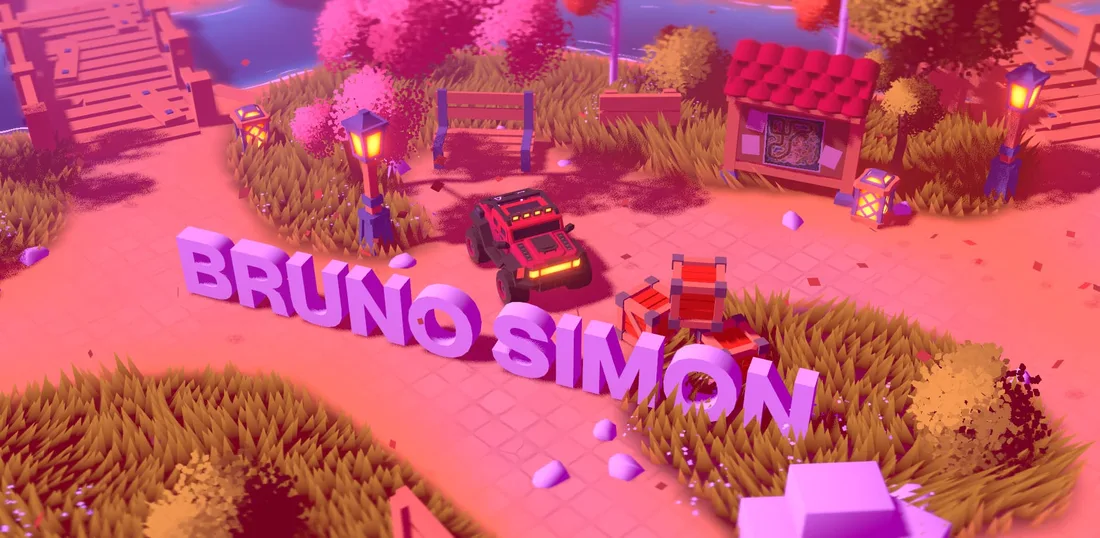
4 Awwwards 2026 lessons for brand identity design briefs
Bruno Simon's WebGPU portfolio, UNESCO's stolen artifacts museum, 100 Lost Species, Farm Minerals: four case studies on brand identity design in 2026.

Claude Design walkthrough: great tool, not a designer
Anthropic's Claude Design is the best design-to-code tool yet, but this Claude Design walkthrough shows why a real designer still matters for great work.

Claude Code 2026: AI website development from the CLI
Opus 4.7, Claude Design, Stainless, KPMG at 276,000 seats: Anthropic moves fast. The state of play, and where an agency adds leverage in AI website development.
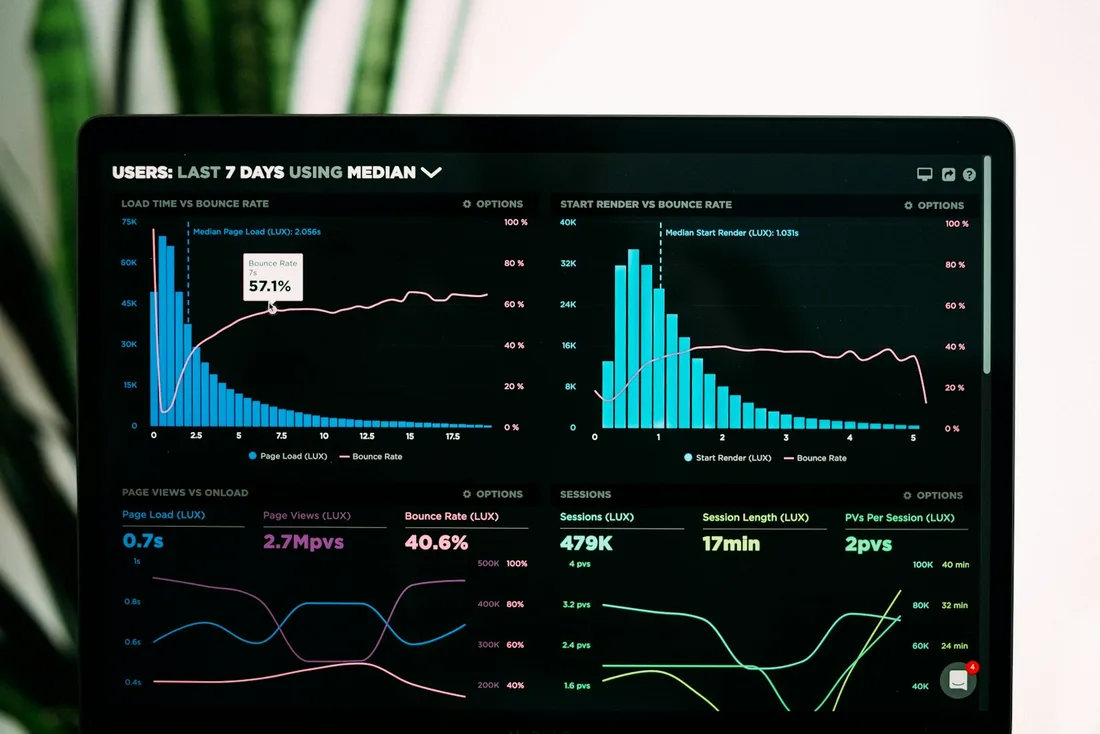
The SEO strategy that ranks: topic clusters for 2026
Most agencies preach SEO silos and topic clusters without shipping the internal-linking SEO strategy behind them. Here's our system, plus the audit tool.
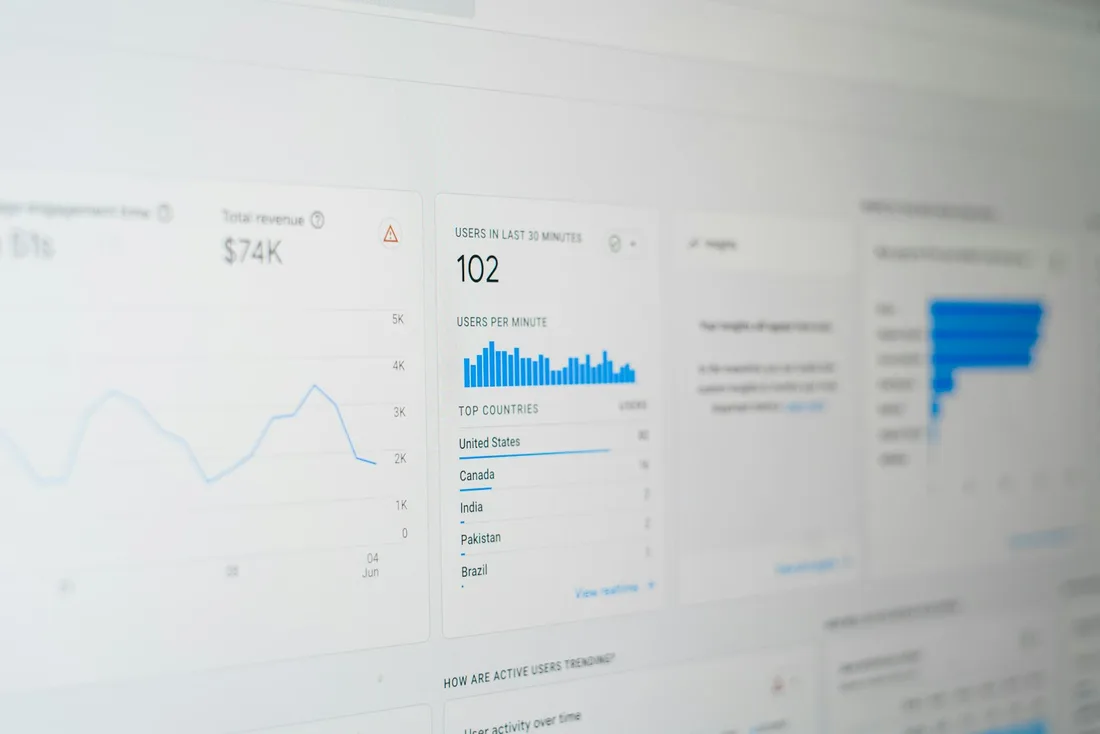
AI website maintenance: a daily SEO audit agent
A scheduled GitHub Actions workflow for AI website maintenance: it scans every blog post, classifies it into a content silo, scores SEO health, and reports findings.

Edge security hosting for WordPress in 2026: real setup
WordPress is the web's most-attacked CMS. Cloudflare's free WAF and edge security hosting cut the noise—here's the exact rule set we run, and why each exists.

Headless WordPress development with Claude API: 2026
WordPress as the CMS, a static front-end as the public site, and Claude API quietly handling editorial work between them. Our go-to WordPress development pattern.
Why we rebuilt roughworks.ca as an AI-enhanced website
Our agency site ran on WordPress and a page builder. It worked. We swapped it for a static, AI-enhanced website anyway. Here's what changed and why it took a day.
Ready for a Website That Actually Works?
Stop settling for mediocre websites.
Let's build something that works as hard as you do.